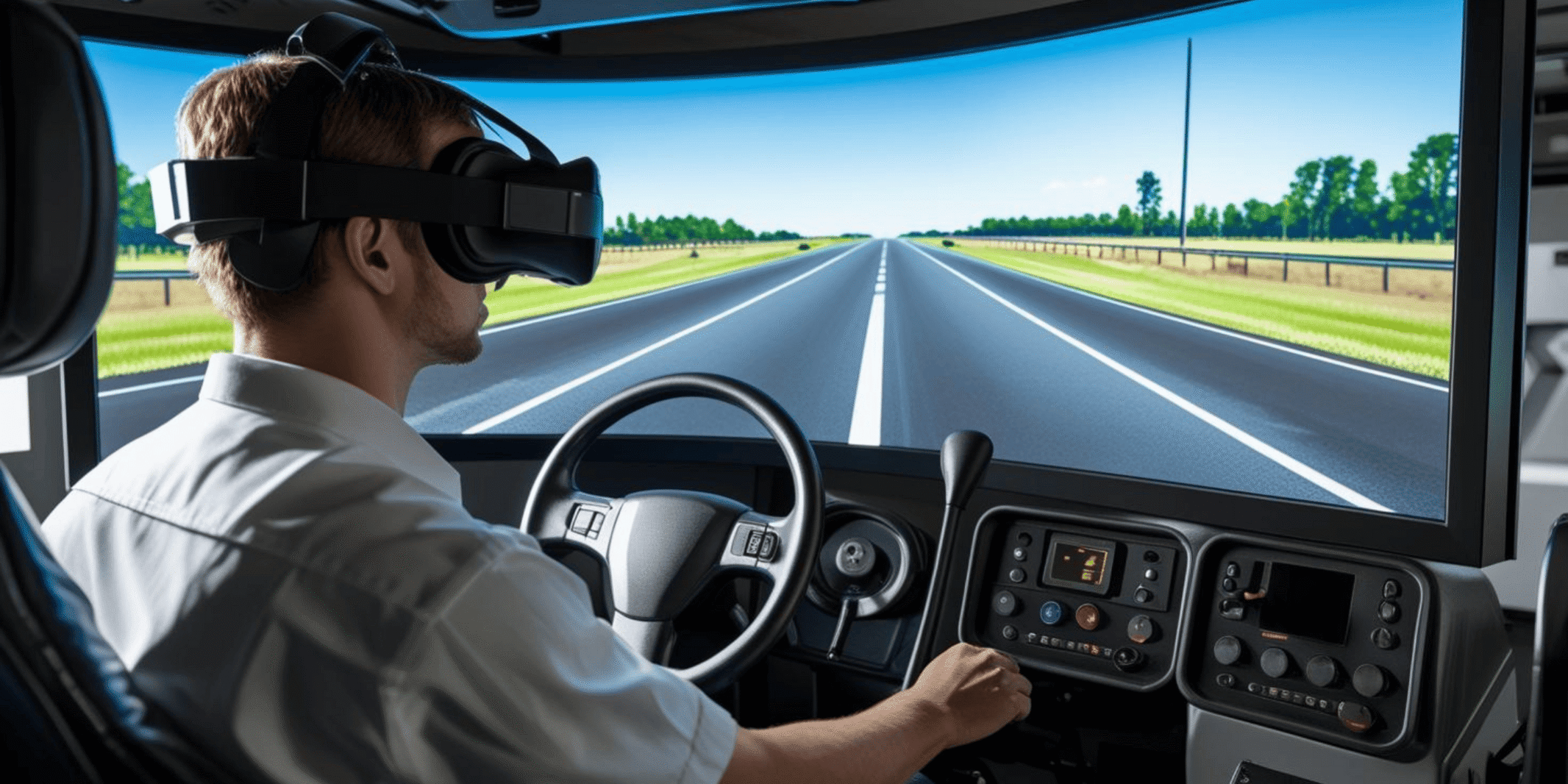
An innovative training platform, RoadMaster VR, is now operating in Lithuania, aiming to revolutionize the truck driver training process through the use of virtual reality (VR) and 5G technology.
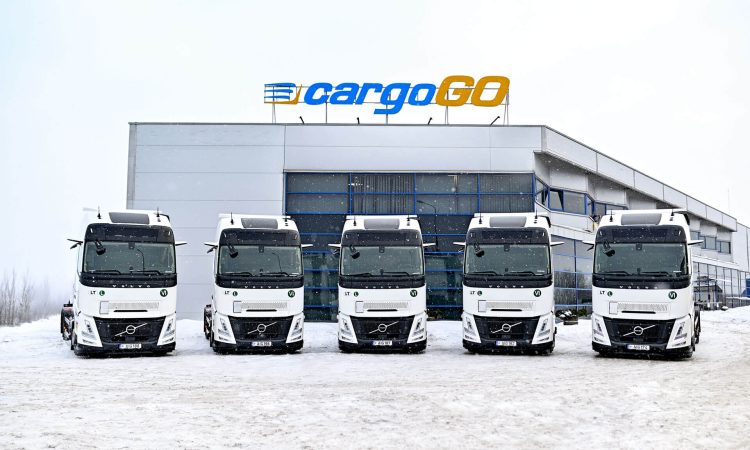
The project is implemented by UAB Vertablox in collaboration with partners: Kaunas University of Technology, Gluk Media, and the transport company CargoGO Logistics.
A new standard in driver training
Traditional driver training is expensive, time-consuming, and often fails to effectively prepare drivers for real-world situations on the road. RoadMaster VR offers a digital, data-driven solution that allows to:
- Train drivers up to 4 times faster (according to a PwC study);
- Reduce training costs by more than half;
- Adapt training content individually using artificial intelligence;
- Introduce new drivers into the job market more efficiently and prepare them for real stress scenarios.
The platform is designed as a consistent training cycle, not a fragmented solution. It includes scenario creation, evaluation modules, and behavioral analysis.
VR training based on real-life scenarios
The platform simulates complex traffic conditions that are difficult or dangerous to reproduce in real life, such as:
- Limited visibility situations (fog, rain, night driving);
- Braking on uneven or slippery road surfaces;
- Reacting to unexpected obstacles or mechanical truck failures;
- Behavior during extreme fatigue.
The driver learns through active experience – instead of theoretical discussions, situations are practiced in real time.
At the same time, the system analyzes the driver’s biological signals: heart rate, skin conductance, and other indicators that help determine stress levels in specific situations.
The data is recorded and assessed using artificial intelligence algorithms, which identify the most stressful situations and adjust the training plan accordingly.
5G-powered system: fast, mobile, and easily integrable
The platform operates in the cloud and can be easily integrated into existing company learning management systems (LMS).
5G connectivity allows to:
- Directly transmit video footage and biometric data to the server;
- Automatically transform collected material into VR training modules;
- Provide real-time feedback for the driver during training;
- Create a personalized learning profile based on behavioral and stress analysis.
Its modular architecture allows the platform to be adapted for both small transport companies and international operators with multiple training bases or operations across different countries.
The system’s analytics engine measures every action taken by the truck driver – steering angles, braking times, reaction speed – and the AI model automatically identifies patterns, mistakes, or inefficient decisions.
This way, instructors receive data-driven insights into each driver’s progress and learning needs.